

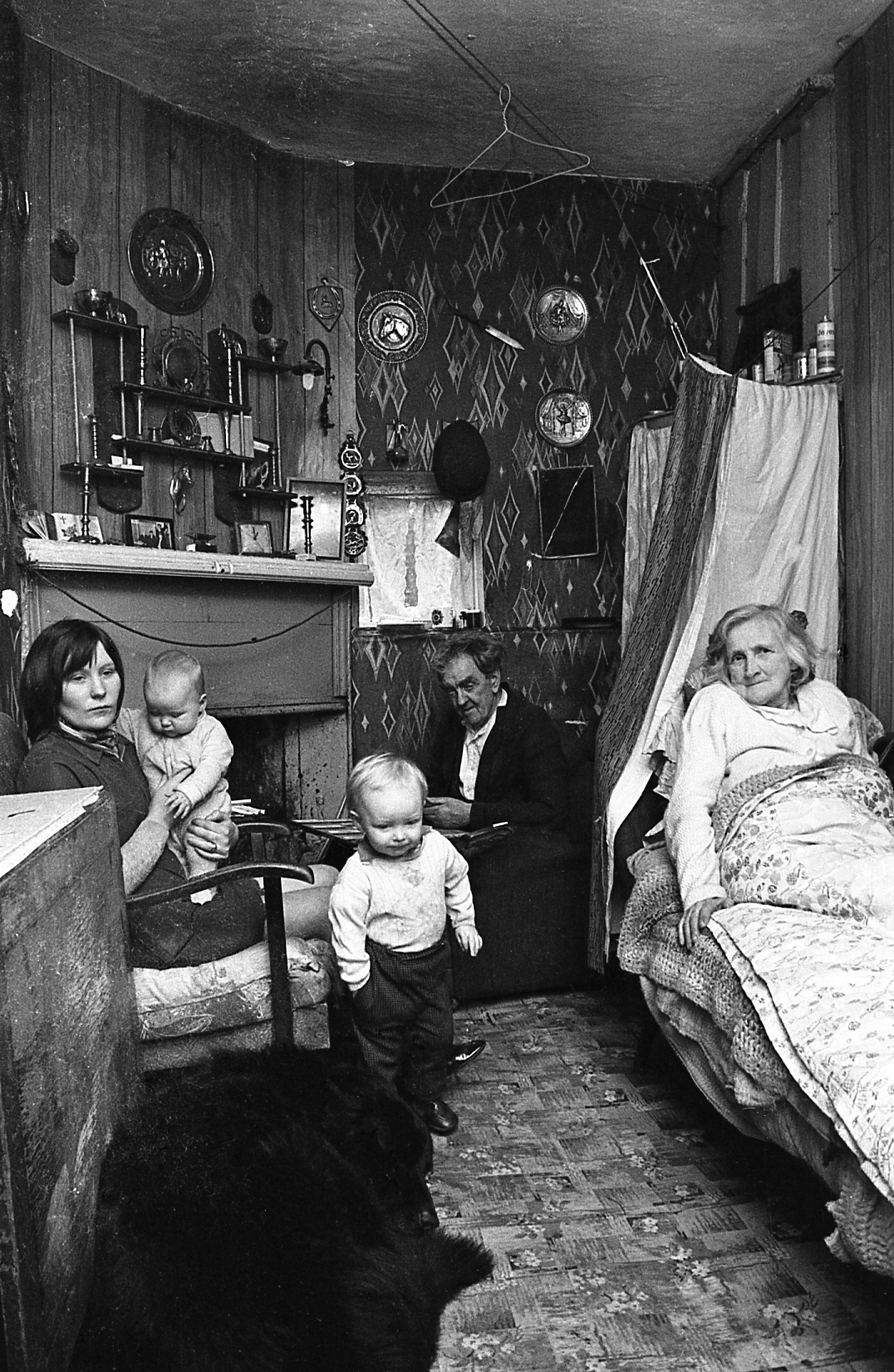
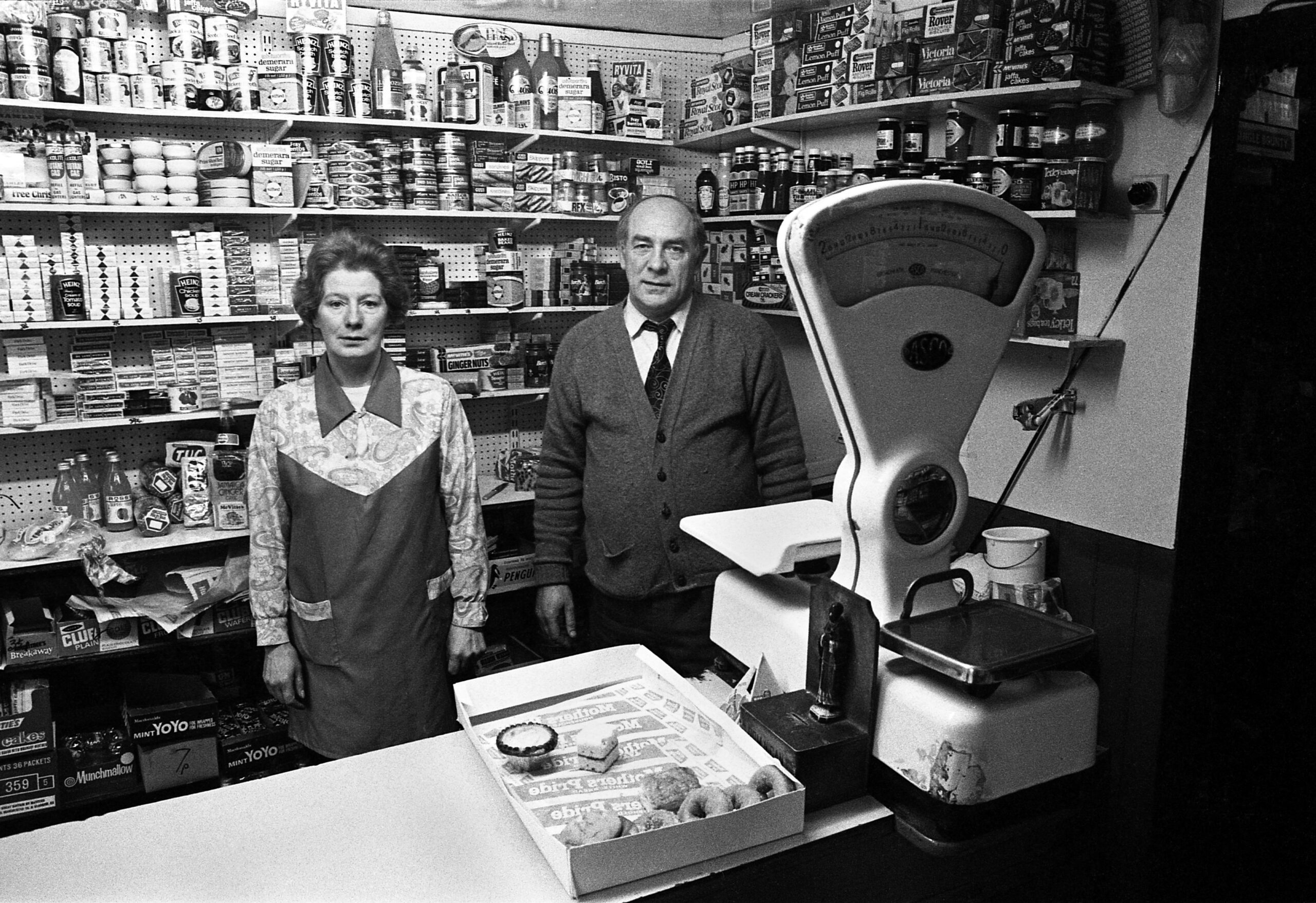
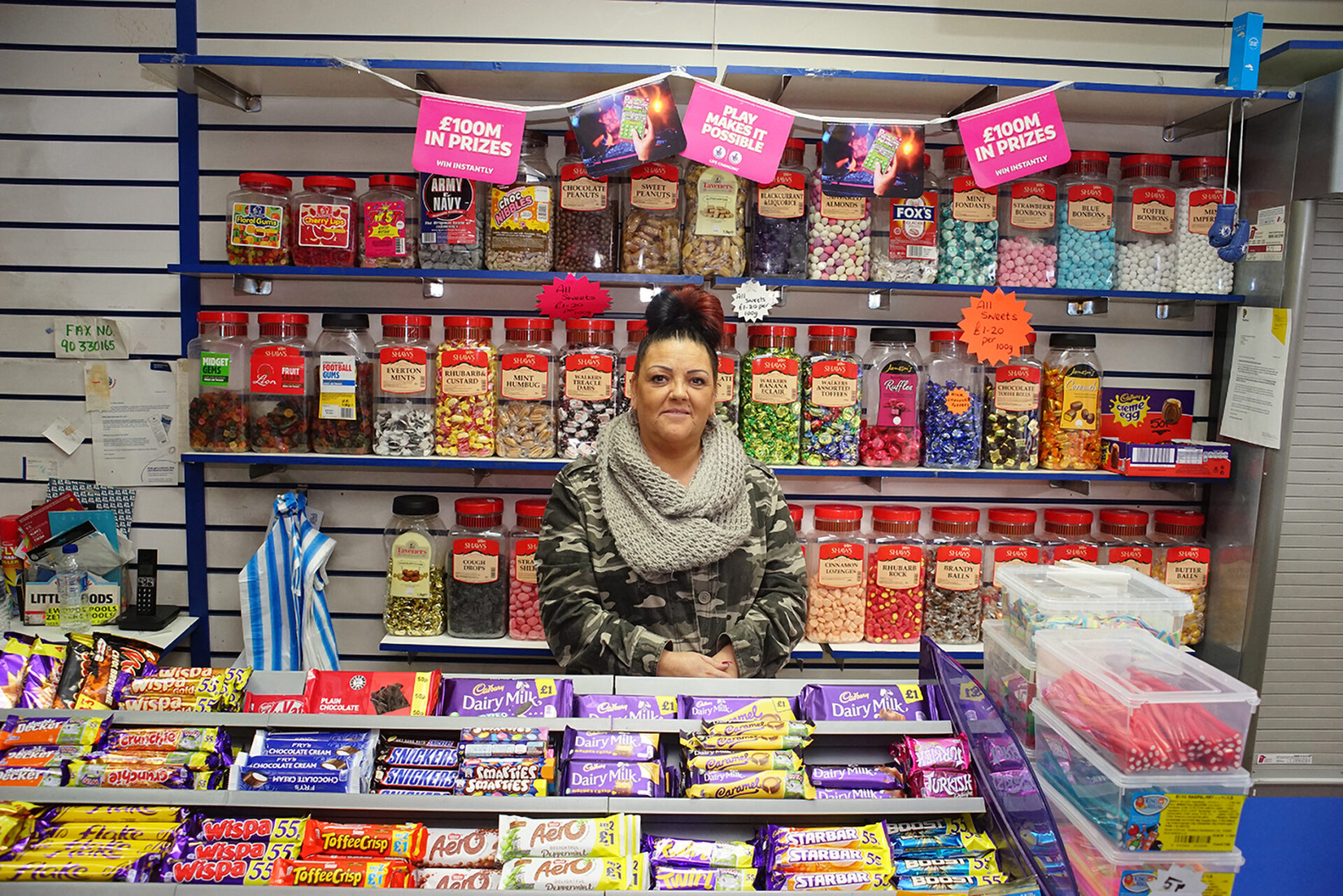
Bill Kirk was born inNewtownards. While global documentary photography was focused firmly on the “Troubles,” he was amongst the vanguard of local photographers who offered a more complex perspective on Northern Irish communities.
Kirk’s life has been shaped by two major passions: cycling and photography. Cycling became a powerful motivating force following the early deaths of Kirk’s parents to TB. It was his own life-threatening battle with the illness, alongside his redundancy as a draughtsman at Shorts, that prompted Kirk to study photography at Belfast’s Art College. He was driven, he says, “By a naive belief that photography could make a difference.”
As conflict erupted around him,“There was a lot of anxiety; everybody was anxious. We were in a fog, not knowing where we were going.” The approach he brought to his art was inspired by photographers such as Lewis Wickes Hine (whose documentary photography helped bring about a change in American child labour laws), Robert Frank and, Cartier-Bresson. This dual commitment to social and aesthetic responsibility lies behind a body of work which is steeped in a sense of common humanity, whether its subjects are eminent local figures or random instants of everyday life. Kirk’s portraits are perceptive, disclosing the complexity of the face as a bearer of histories. Kirk’s perspective was a fresh one, and a refreshing one in the context of documentary photography during conflict. Even while working for the Northern Irish Tourist Board Kirk eschewed whimsy in favour of a more sophisticated aesthetic.
Bill Kirk Galleries




One response
Bill, My aunt, originally from Sandy Row passed away in February. I was able to go visit her (Im overseas) and I visited her for three hours. I brought her your book and for an hour, we went through your black and white photos of Sandy Row and she commented on each photo like she was there. You brought so much joy to her and myself.
Thank you! Thank you so very much
Wee Bettie